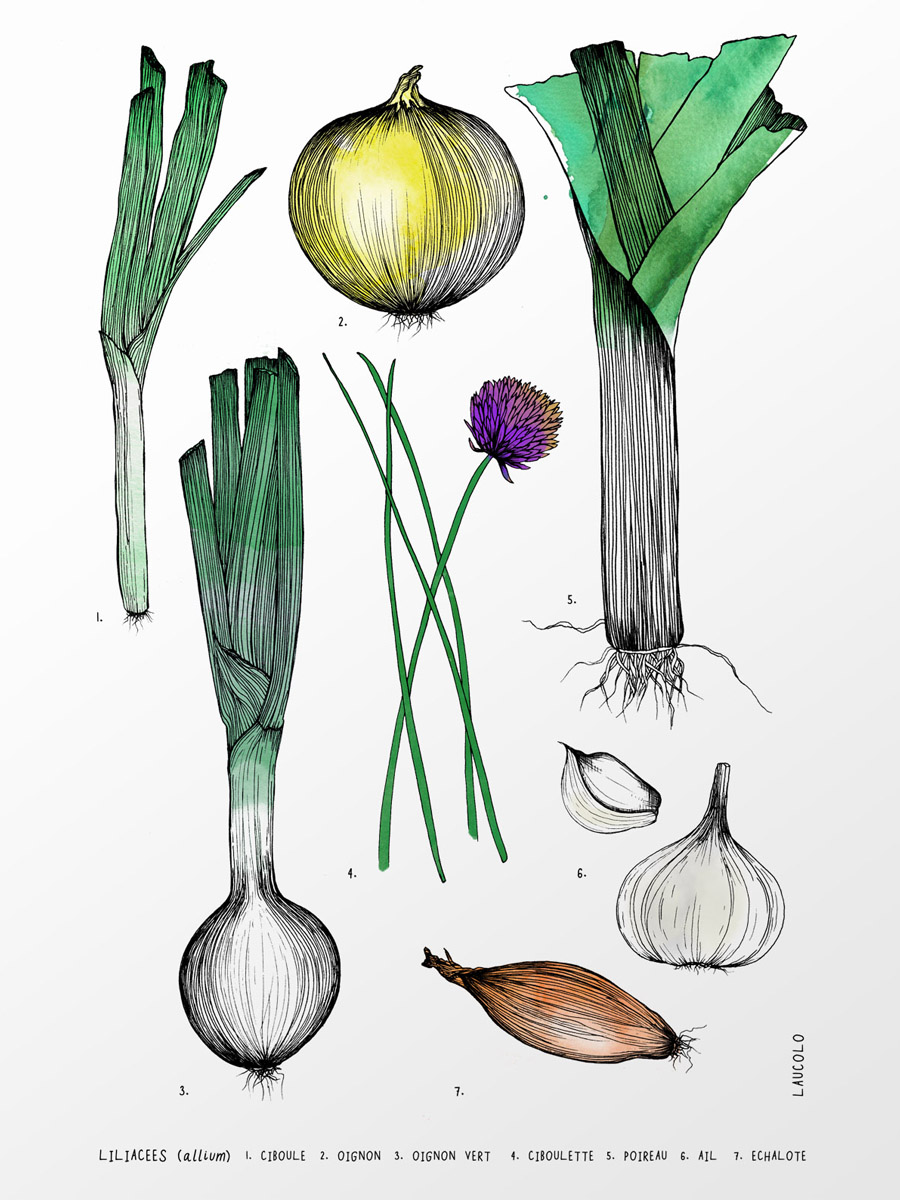
A botanical illustration of alliums: green onions, shallots, garlic, chives, leeks. Drawn in black ink with watercolouring effect. At the centre of the page, in bold yellow print, is the issue title: We're All(ium) in this Together

About the Journal

Canadian Food Studies / La Revue canadienne des études sur l’alimentation is the open-access, online journal of the Canadian Association for Food Studies. As diverse and entangled as the subject of food itself, CFS/RCÉA provides a critical resource to those interested in the myriad ways in which humans, food, and the natural and built environments come to construct one another.

Announcements

Digesting Food Studies (the CFS podcast) hits 10 episodes!

2025-11-20

The CFS podcast, "Digesting Food Studies" is halfway through its first season, with 10 episodes now available on most major podcasting platforms. Go to foodstudies.info/podcast or rss.com/podcasts/digesting-food-studies for more information or click on the links below to listen!

1.00 – Welcome to Food Studies
1.01 – Introducing Meat Studies
1.02 – Teaching about Food Systems
1.03 – Food Art & Material Practice
1.04 – Infant Food Insecurity
1.05 – Indigenous Food Sovereignty
1.06 – School Food Programs
1.07 – Les pesticides et la politique
1.08 – Un-learning and Re-learning
1.09 – Food Waste
1.10 – Feminist Food Studies

Read more about Digesting Food Studies (the CFS podcast) hits 10 episodes!

Current Issue

Vol. 12 No. 3 (2025): We're All(ium) in this Together
A botanical illustration of alliums with onions, leeks, chivs, garlic, shallots, green onions - with black ink and watercolour effect.

The food pun that makes up the title of this issue (almost) wrote itself.

How can one write otherwise when faced with an illustrated collection of onions, chives, shallots, leeks, and garlic? They are herbaceous and share a distinctive onion-y smell. They are also taxonomically linked.

And yet, when one starts to delve through Laurence Deschamps-Léger’s body of work—whether illustrations on the page or consulting services in sustainable food systems—we begin to see that such linkages are sought, that collectivity in all its forms is actively encouraged.

Deschamps-Léger has referred to this kind of stance and engagement as: “Mêlons-nous de nos onions.” She is playing with the French expression, “Occupe-toi de tes onions,” which, literally translated, means “take care of your own onions,” or “mind your own business,” rather. With a judicious adjustment in pronouns, from you to we, from the singular to the plural, Deschamps-Léger is announcing a shift in responsibility. This business of food production, procurement, preparation, consumption, and deliberation is a shared endeavour.

Figurative alliums—some of them rhizomes—abound in this issue, starting with Sara Edge’s editorial. The Arrell Chair in Food, Policy & Society at the University of Guelph asks food studies scholars, practitioners, and activists to “reach across the table and aisle”—these figurative structures being our disciplinary and epistemological barriers. By reaching across them, we are better equipped to provoke and promote food system transformation.

Our authors—who know their onions—answer the call with five research articles and one review article. Here they rigorously (or as one says in French, aux petits onions), unpack such matters as cultural food insecurity, food loss and waste, food literacies, food retailing, and food justice.

We close the issue as usual with our Choux Questionnaire—this latest iteration with the inimitable Elaine Power. Of what food or food context is she afraid, you ask? Read on, and find out.

Bonne dégustation!


image: Laurence Deschamps-Léger (laucolo.com)

Published: 2025-12-17
View All Issues